Do Car Seats Expire, and How Do I Check?
Yes, car seats expire. No federal law requires an expiration date, but every major manufacturer assigns one based on their own testing, and you should follow it. Most seats last 6 to 10 years from the date of manufacture.
Why they expire
Over years of use and exposure to heat, cold, and sunlight, the materials in a car seat, plastic, foam, webbing, and metal, can degrade and lose crash protection even when the seat looks fine. Safety standards also evolve over time, and labels, parts, and recall information can go missing across a long lifespan.
How to check your seat's date
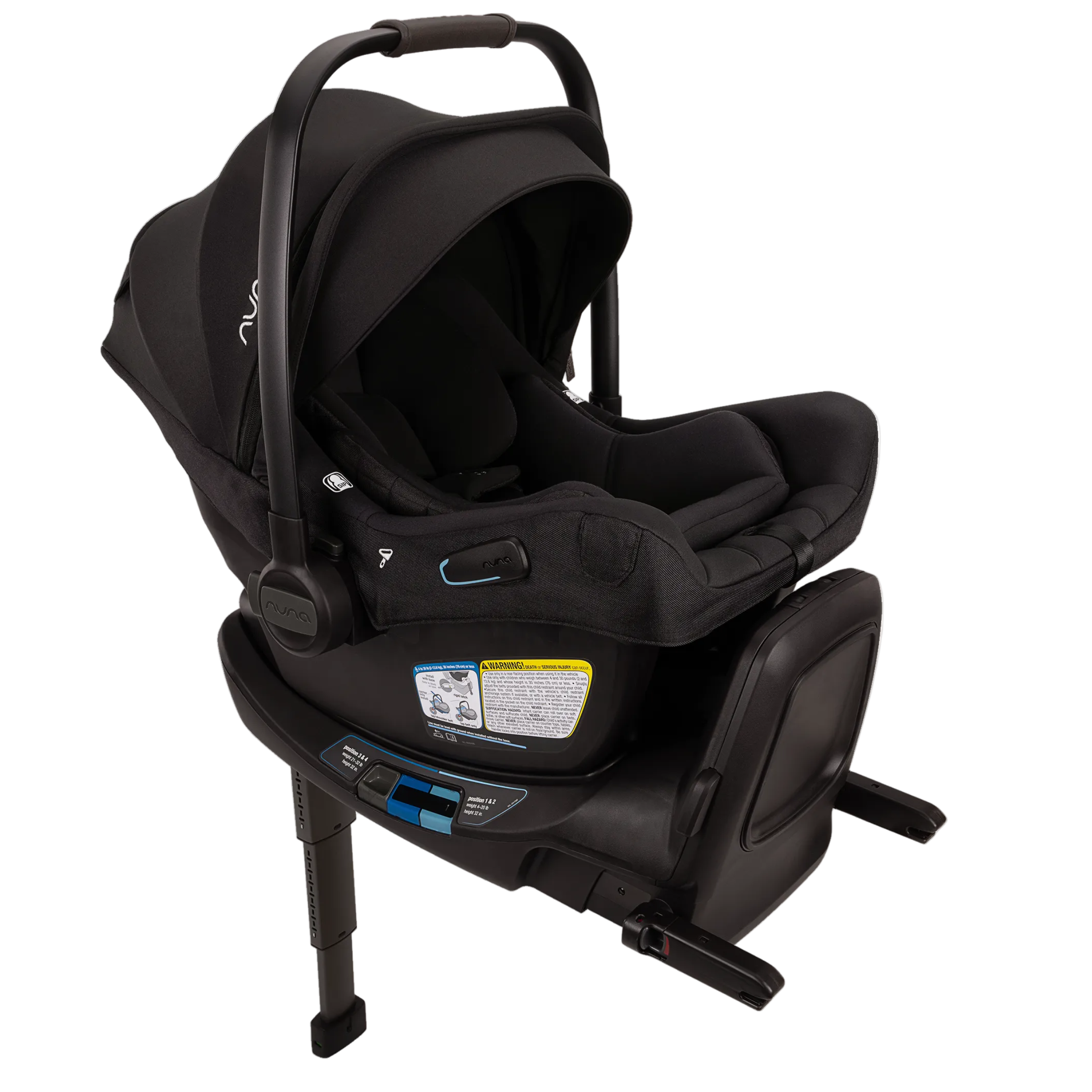
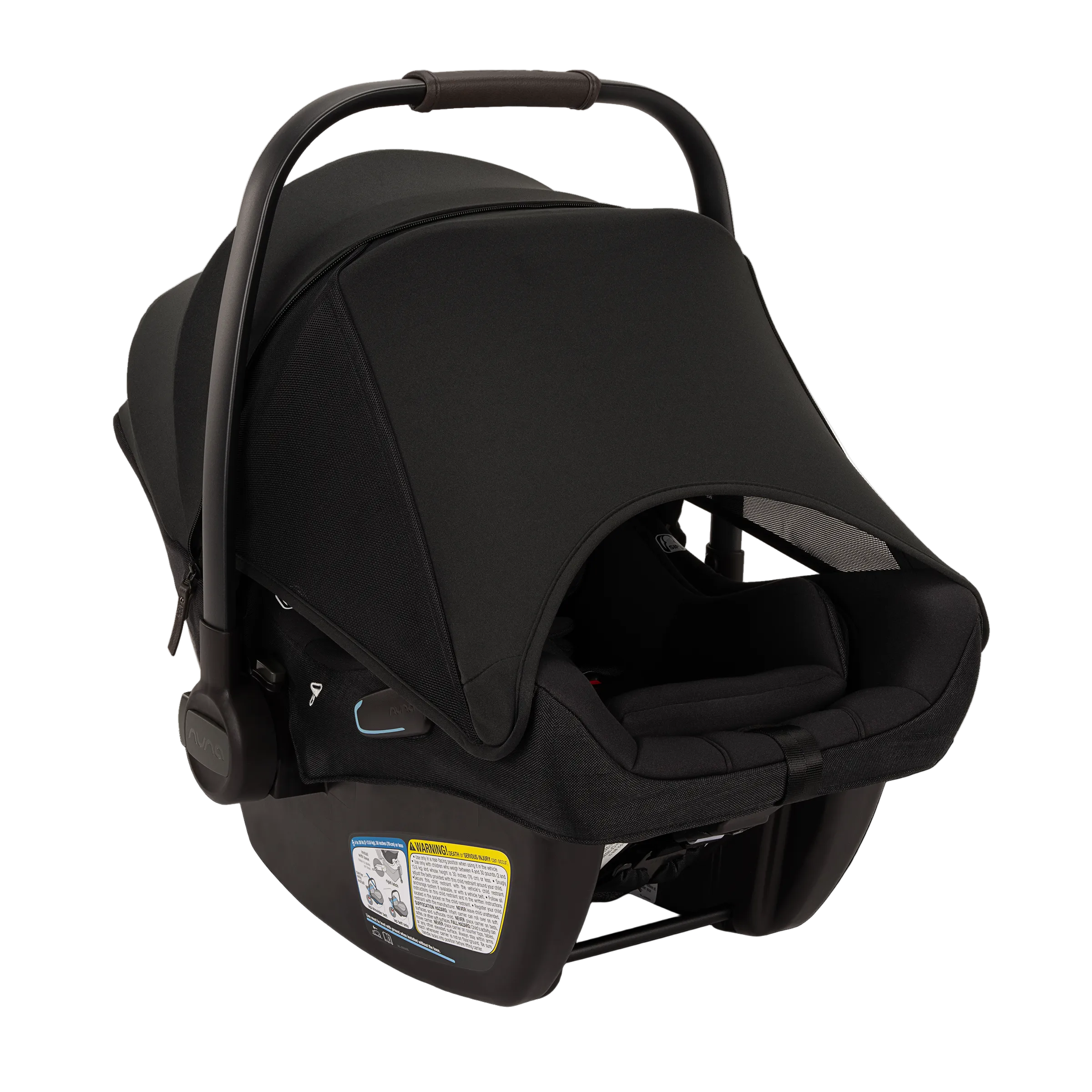
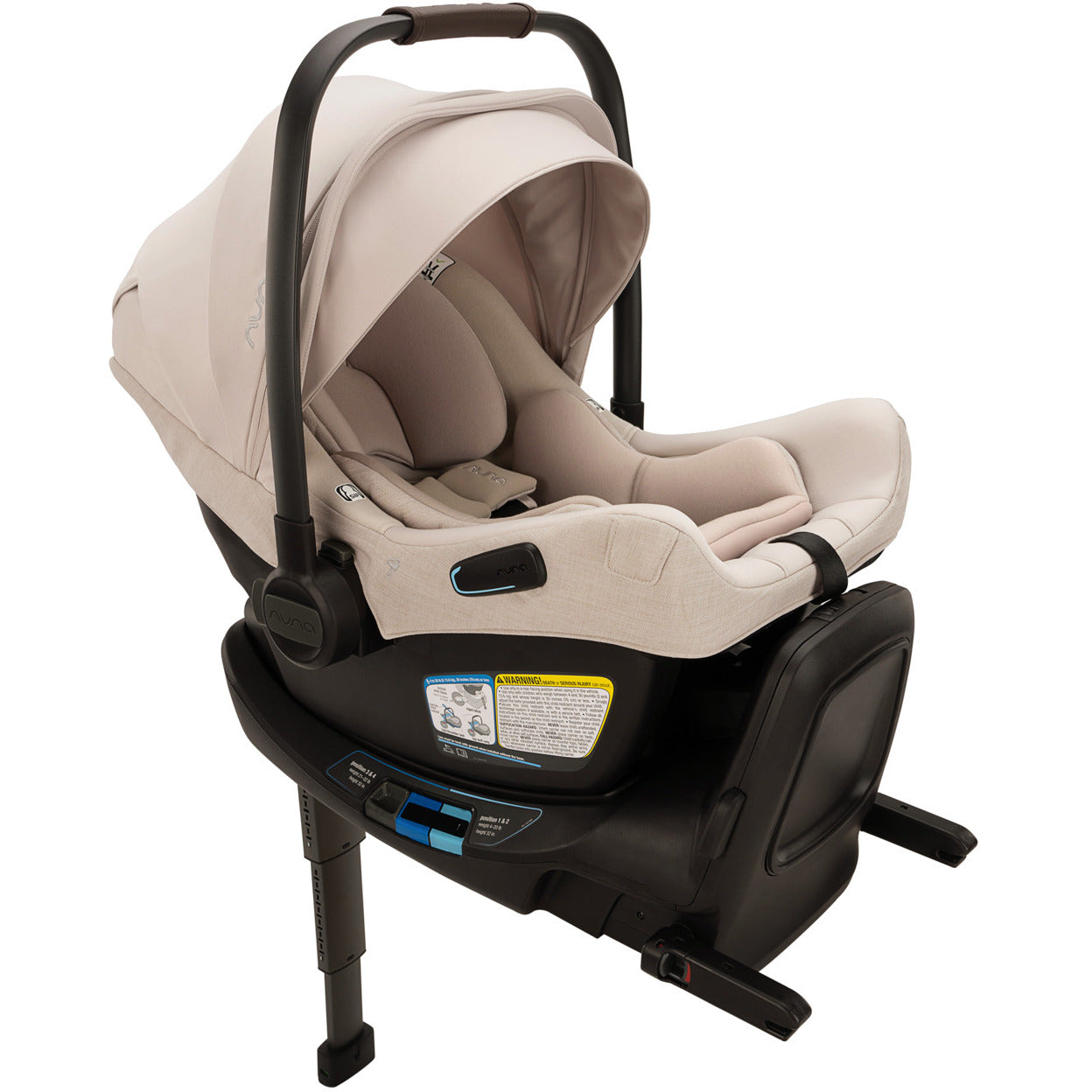
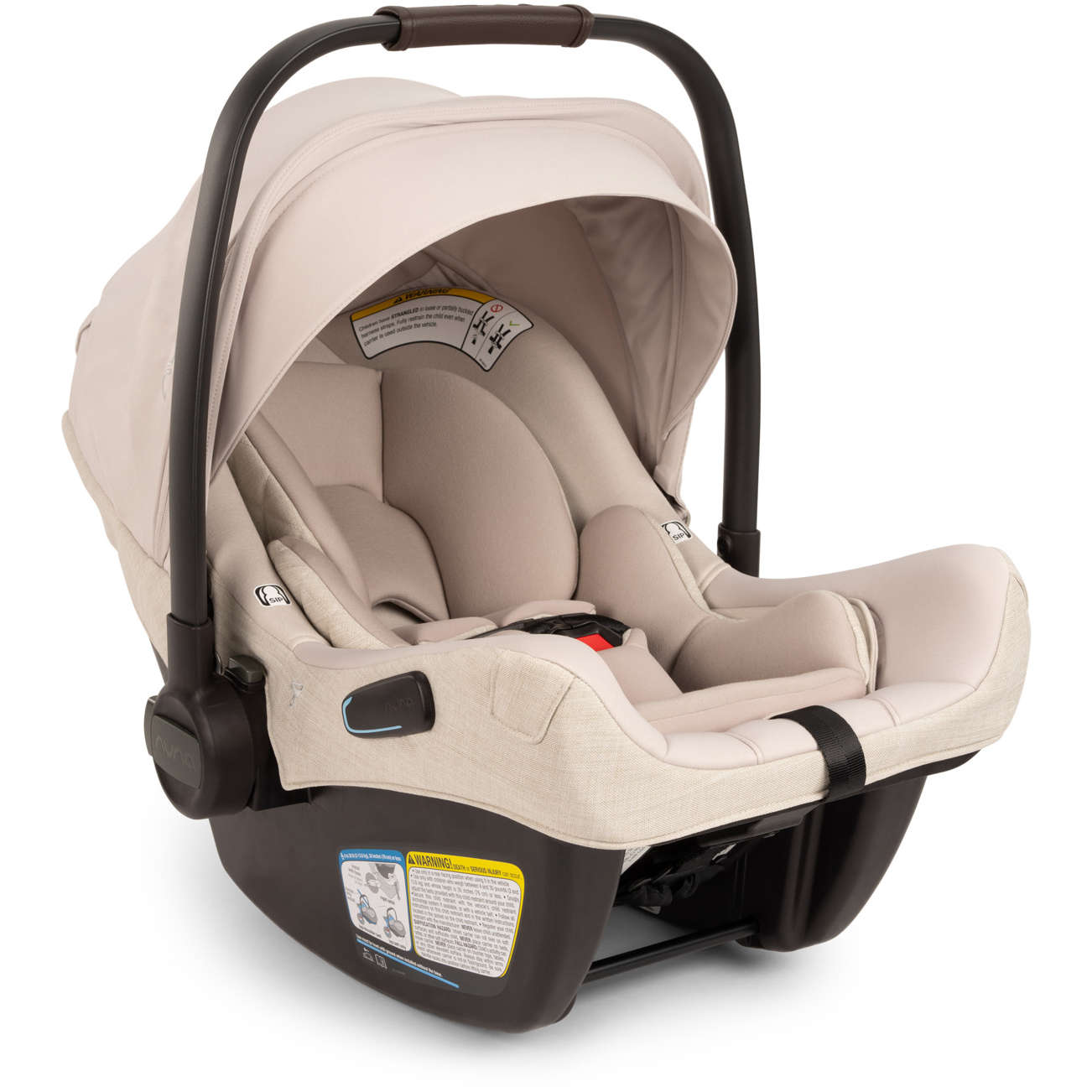
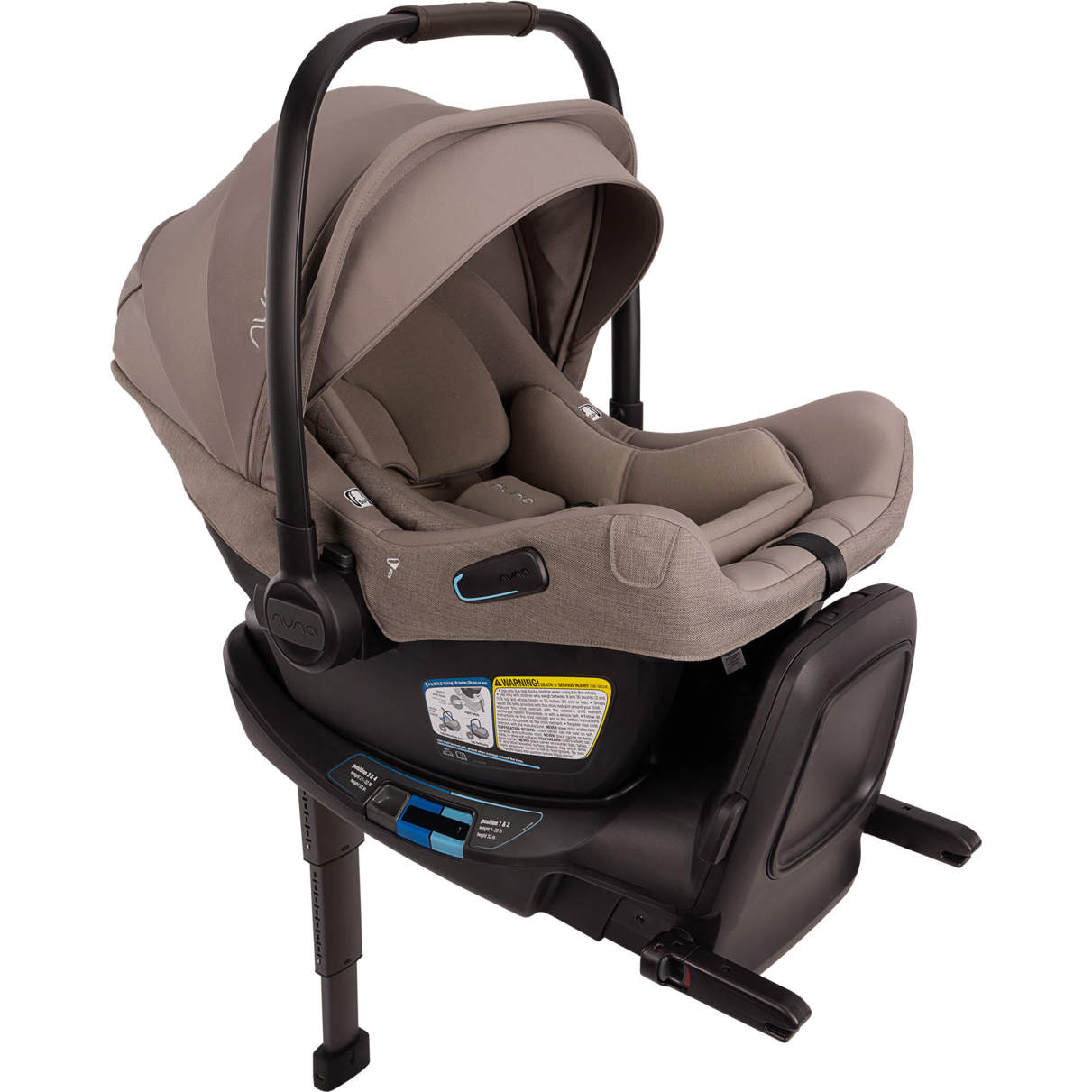
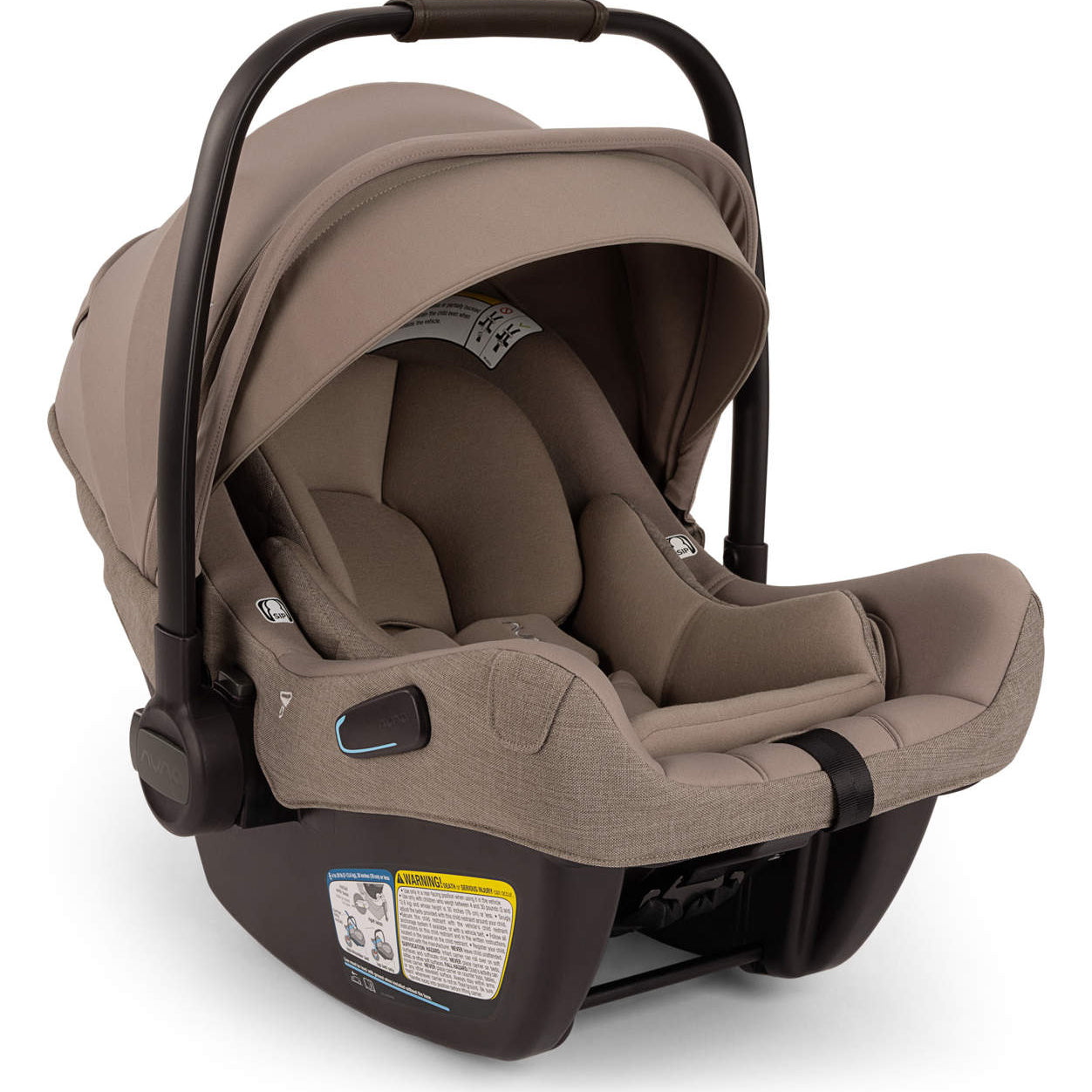
Look for the expiration date on a sticker on the seat, molded or stamped into the plastic shell, or printed in the instruction manual, alongside the model and date of manufacture. The lifespan is measured from when the seat was made, not when you bought it, and it varies by model, so always check your specific seat.
After a crash
Replace a car seat after a moderate or severe crash. After a minor crash, you may keep using it only if all of these are true: the vehicle was driven away from the crash, the door nearest the seat was undamaged, no one in the vehicle was injured, the airbags did not deploy, and the seat has no visible damage. If even one is not met, replace it, and many manufacturers advise replacing after any crash.
About hand-me-down seats
Only use a second-hand seat if you know its full history: it has never been in a crash, has never been recalled, is not past its expiration date, and comes with all of its parts, labels, and the instruction manual.
Time for a new seat?
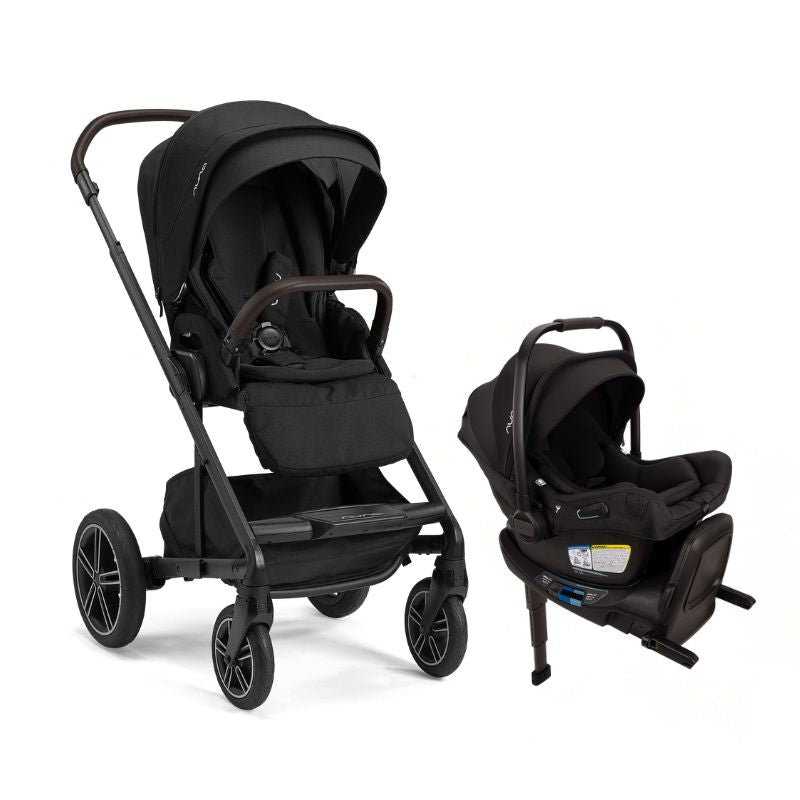
Shop Car SeatsNot sure what to replace it with? Book a consult with our certified car seat team.
Not sure which seat is right for your child? Find your best car seat →