How Long Should My Baby Ride Rear-Facing?
Keep your baby rear-facing as long as possible, until they reach the highest weight or height allowed by your car seat's manufacturer. In 2018 the American Academy of Pediatrics replaced its specific age-2 milestone with the seat's weight and height limits, and most convertible seats now let children ride rear-facing well past their second birthday. NHTSA recommends a child under age 1 always ride rear-facing.
Why rear-facing is safest
A rear-facing seat supports a young child's head, neck, and spine and distributes crash forces across the back of the seat. Because babies and toddlers have proportionally large heads and still-developing spines, safety experts consider rear-facing the safest position for them.
Typical rear-facing limits
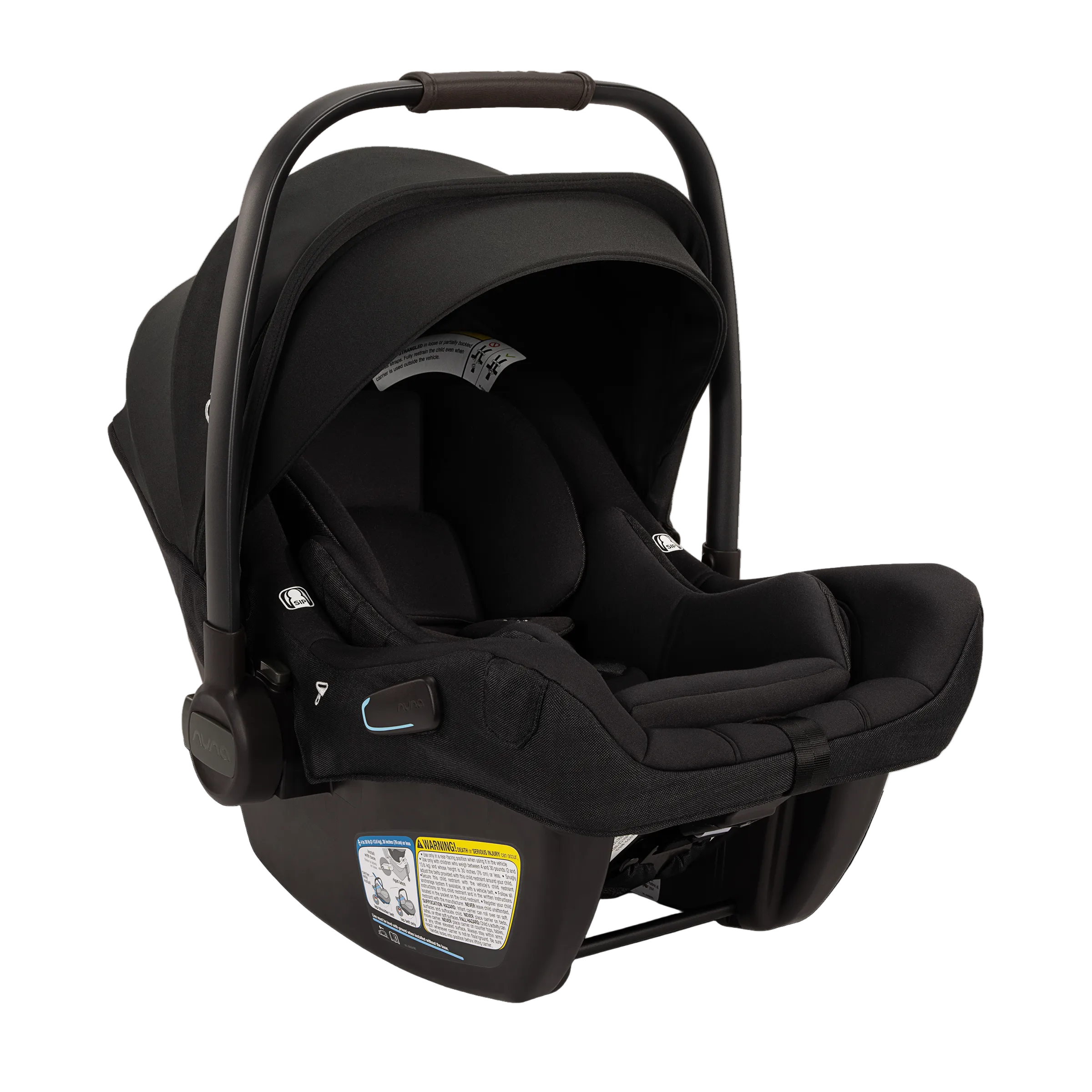
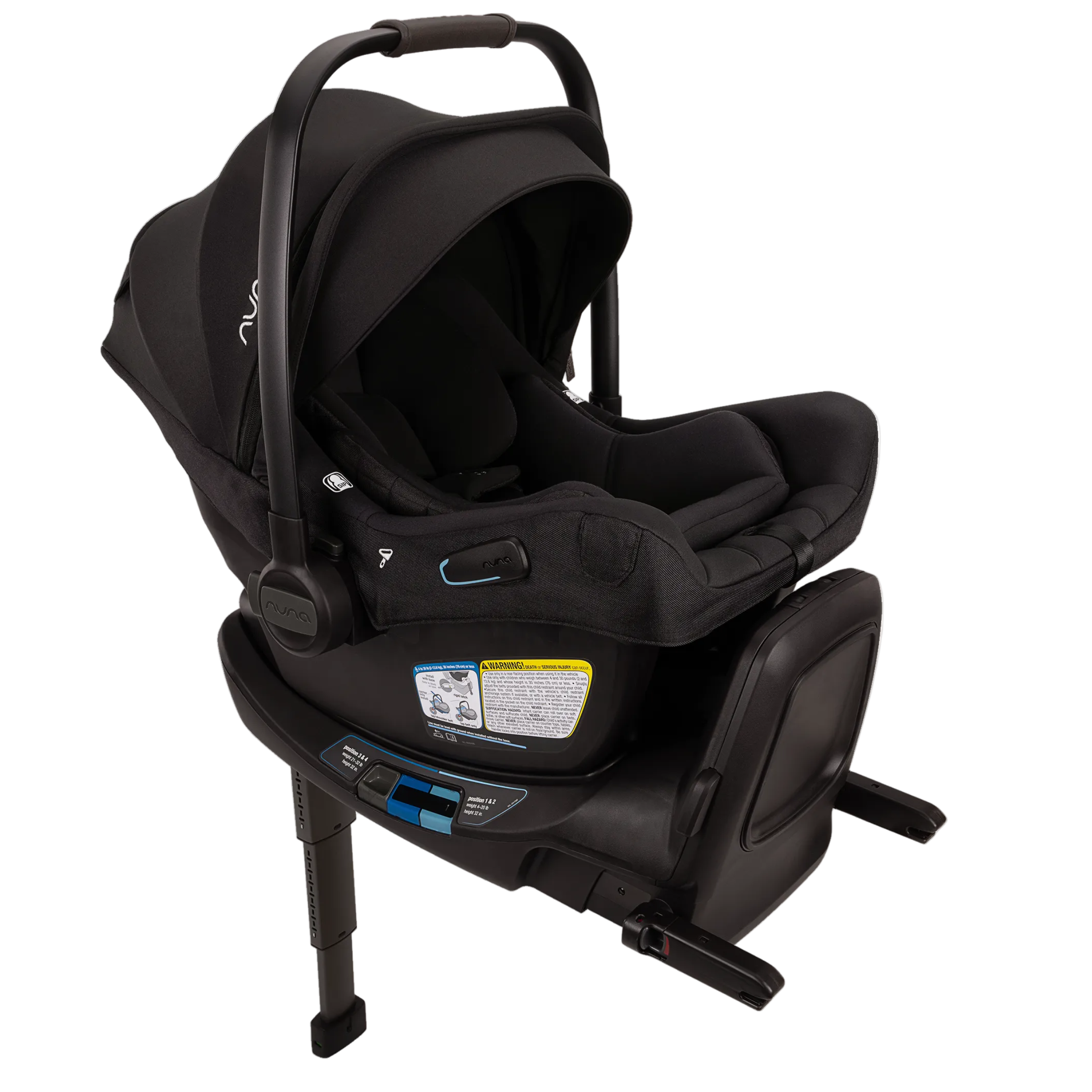
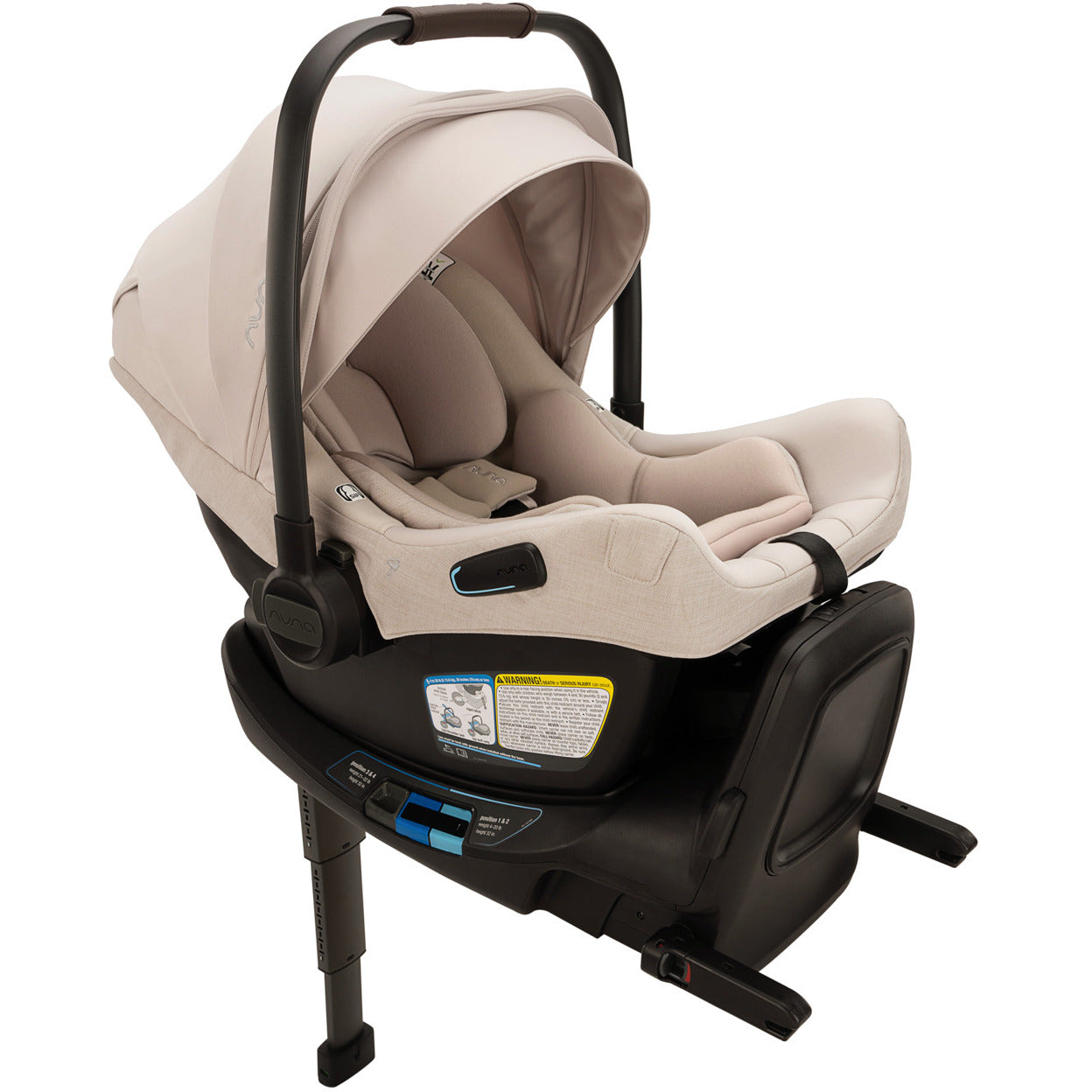
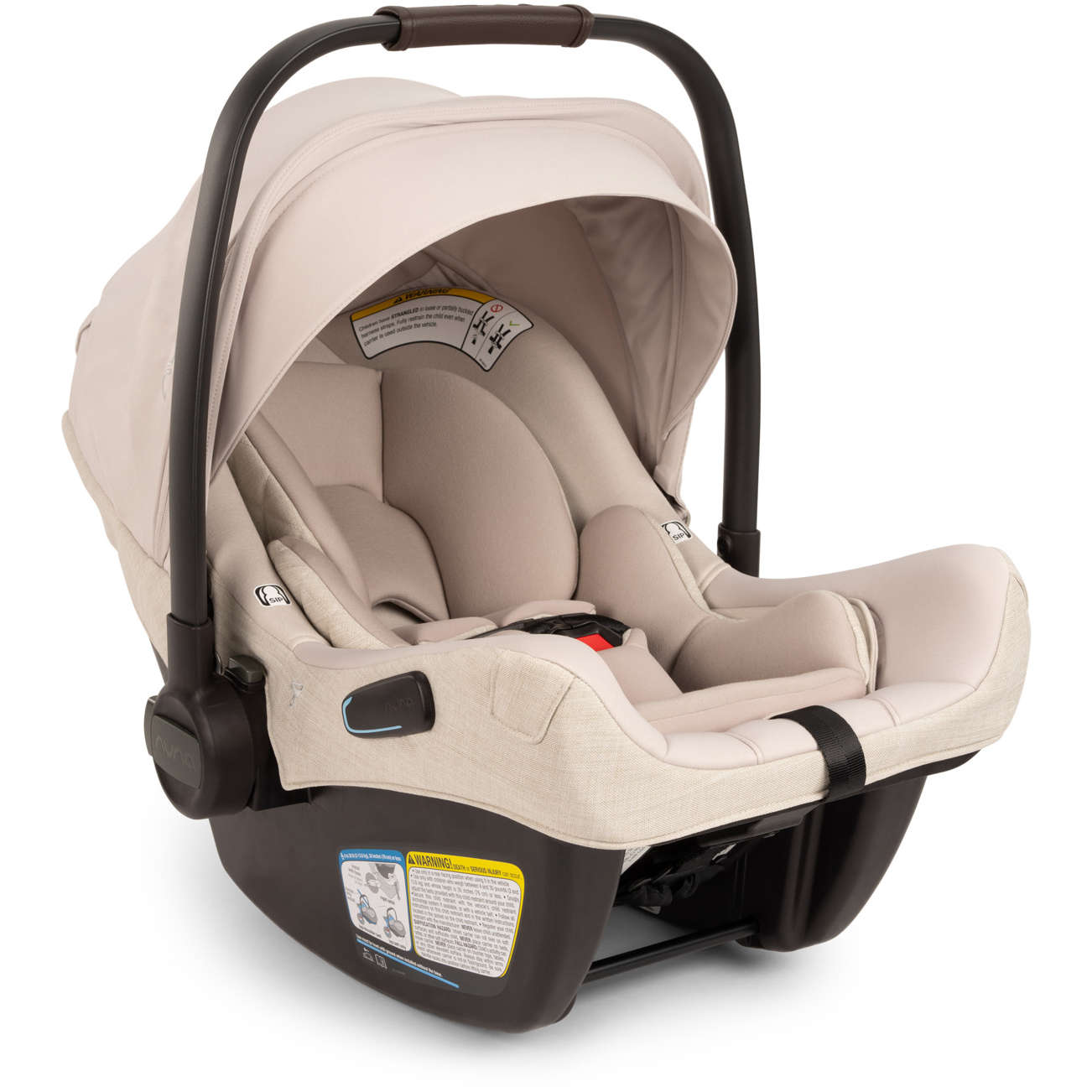
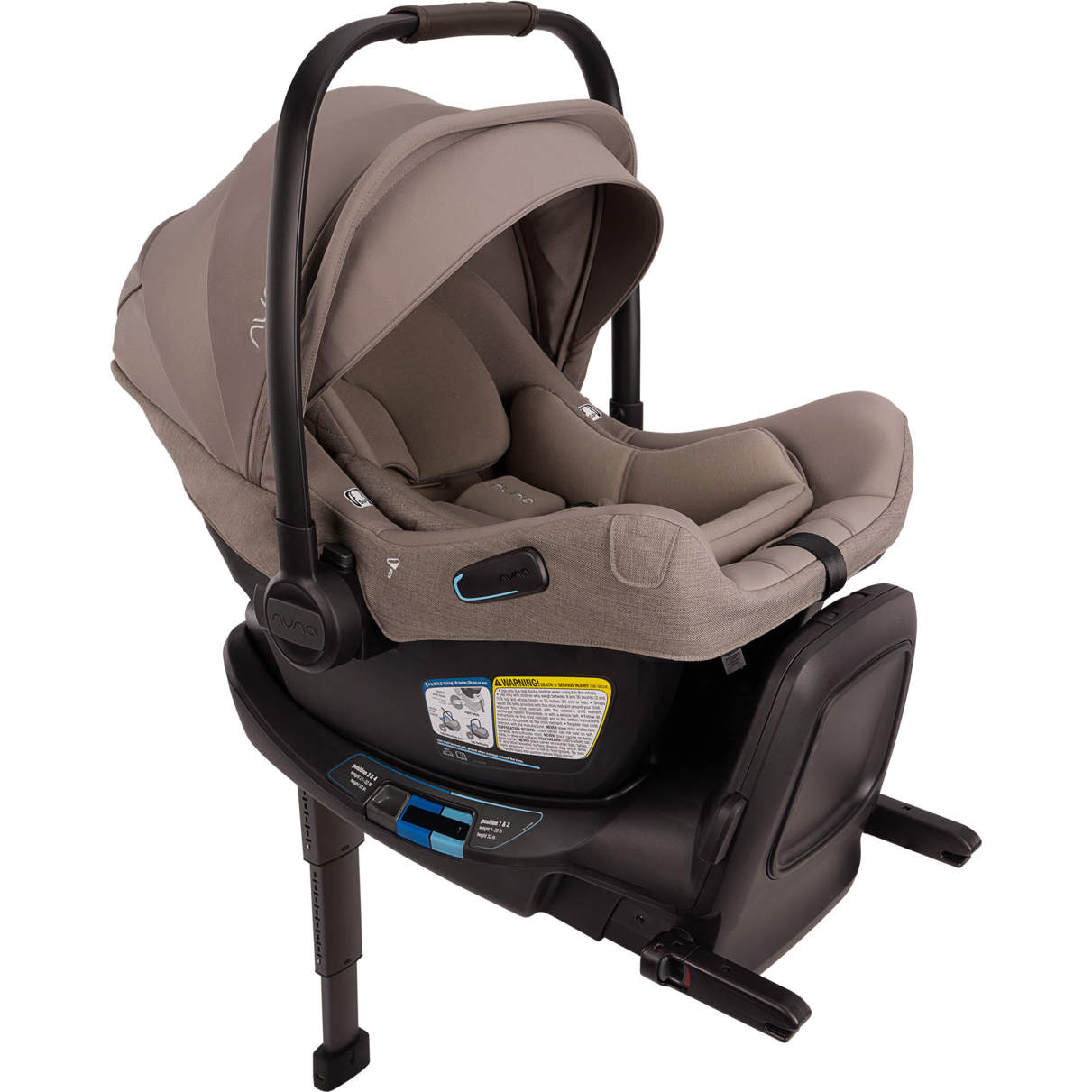
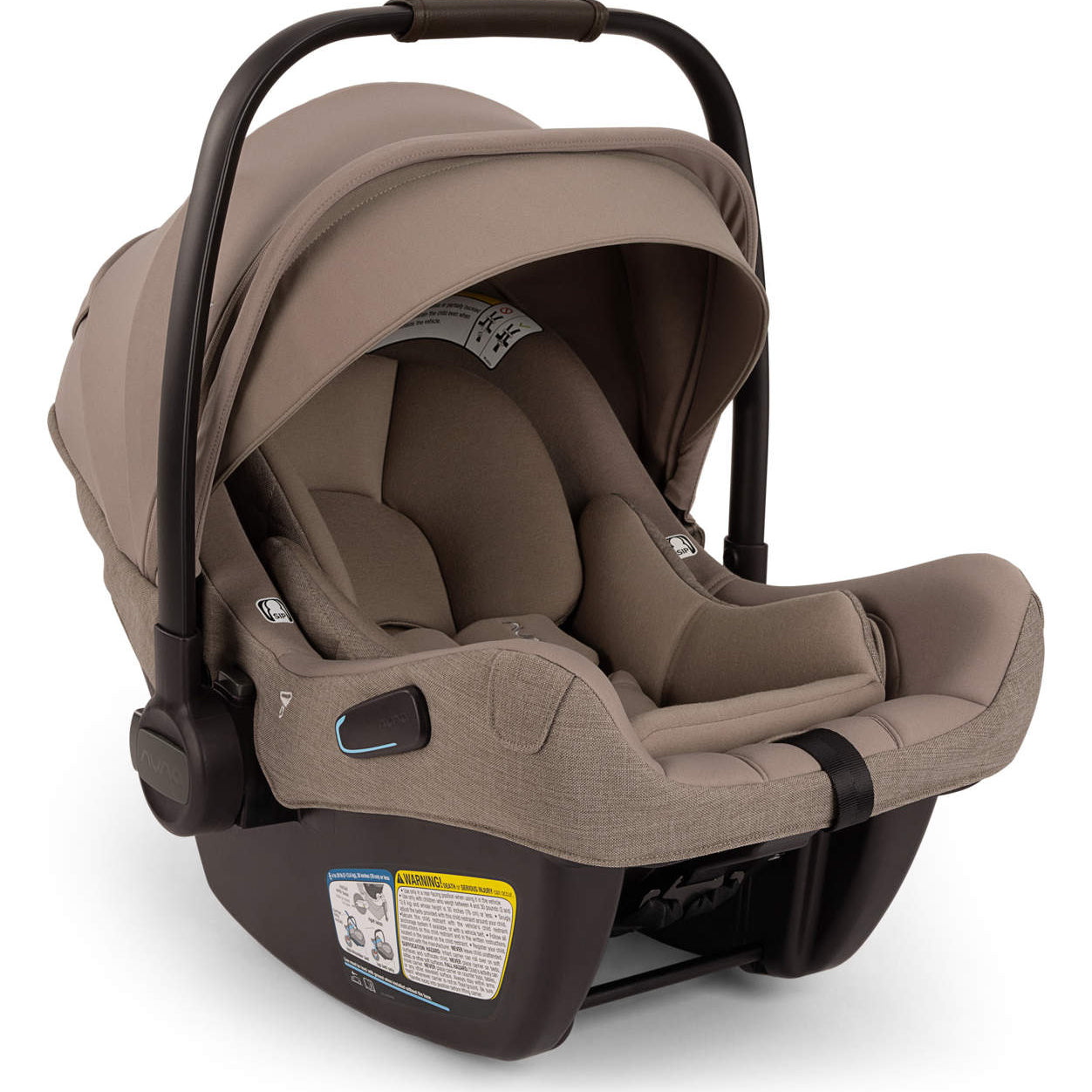
Infant-only seats typically allow rear-facing to about 22 to 35 pounds; convertible seats often go to 40 to 50 pounds. These are general ranges, so always follow the weight and height limits printed on your specific seat's label.
What the law says
A growing number of states now require rear-facing until age 2, but child passenger laws vary from state to state, so check yours. Either way, the law is a legal minimum, best practice goes further: keep your child rear-facing to the seat's limit.
The myth about bent legs
Feet touching the vehicle seat back, or bent legs, is not a reason to turn your child forward-facing. Children are flexible and find comfortable positions, and leg injuries while rear-facing are very rare.
Looking for a seat that rear-faces longer?
Shop Convertible Car SeatsNot sure which fits your child and car? Book a consult with our certified car seat team.
Not sure which seat is right for your child? Find your best car seat →