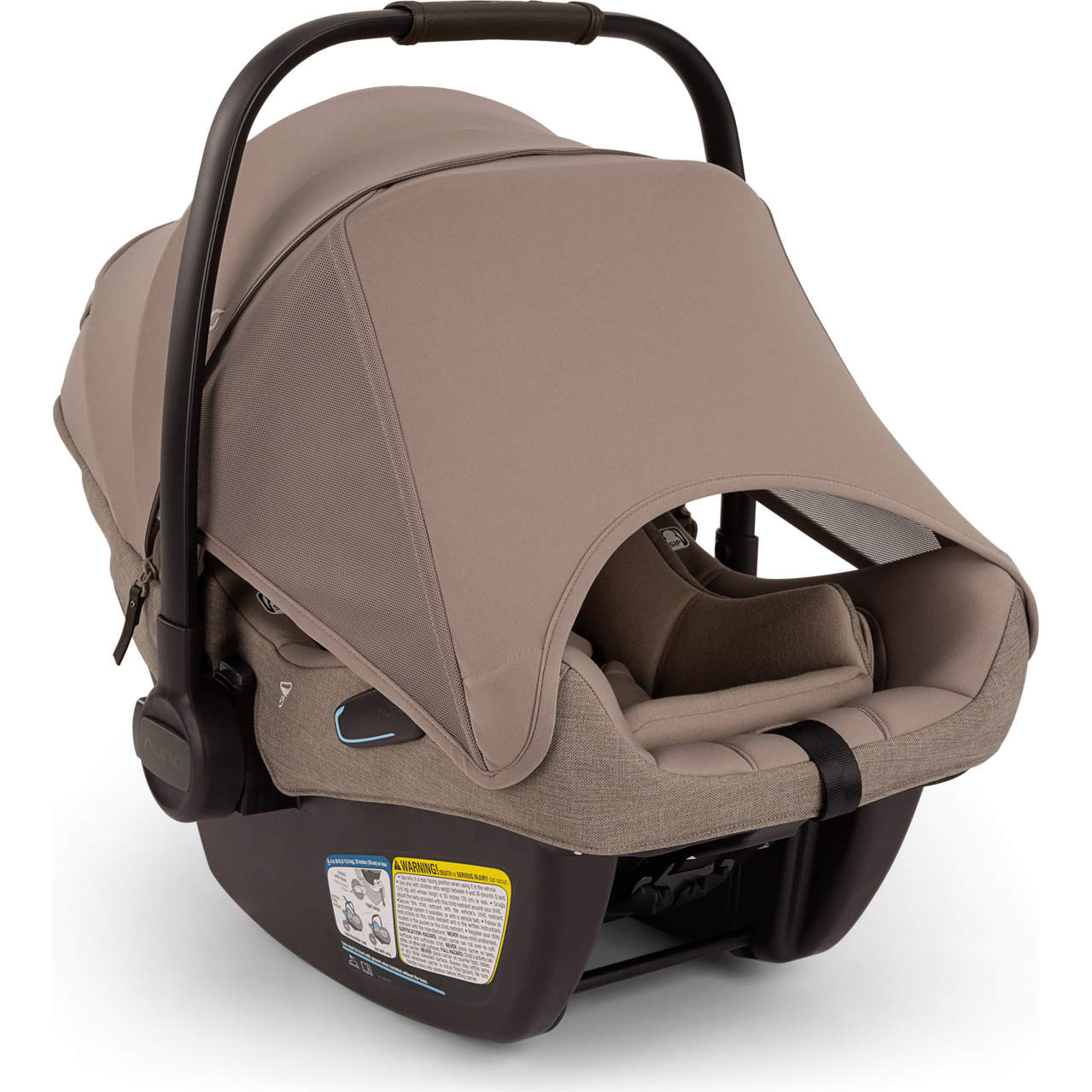
How Do I Know If My Car Seat Is Installed Correctly?
Run five NHTSA checks: the seat moves no more than 1 inch when you pull at the belt path, a rear-facing seat's recline indicator reads in range, the harness passes the pinch test at the shoulder, the chest clip sits at armpit level, and the seat is held by the lower anchors or the seat belt, not both. If all five pass, and a forward-facing seat also has its top tether attached, your install meets NHTSA's checks.
Prices update automatically from our store. Each install rule below comes from NHTSA or from the seat maker's listing, named where it appears. The manual for your car seat and your vehicle owner's manual always come first.
Your quick install checklist
- The inch test: Grip the seat at the belt path, where the seat belt or lower anchor strap runs through it, and tug. NHTSA says it should not move more than 1 inch side to side or front to back. Testing at the top of the seat gives a false reading.
- Recline (rear-facing): Set the angle with the seat's built-in angle indicator or adjuster, and confirm it reads in range once the seat is tightened down.
- The pinch test: With your child buckled, try to pinch the strap at the shoulder. NHTSA calls the harness snug when you cannot pinch any extra material. Straps should lie flat, through the slots at or below the shoulders when rear-facing and at or above them when forward-facing.
- Chest clip: Slide it to armpit level.
- One install method: Use the lower anchors or the seat belt, never both. A seat belt install also needs the belt locked, with the vehicle's belt system or the seat's lock-off.
Forward-facing, one more: NHTSA recommends always using the top tether with a forward-facing seat, whether it is installed with the seat belt or the lower anchors, as long as both your seat maker and vehicle maker permit it.
What NHTSA's inspections actually found
NHTSA's National Child Restraint Use Special Study gathered 4,167 car seat and booster seat inspections in 2011, each paired with a driver interview, and estimated that 46 percent of car seats and booster seats had at least one misuse. That rate was 49 percent for rear-facing infant seats and 61 percent for forward-facing car seats.
The single most observed misuse depended on the seat type. For rear-facing seats it was an incorrect amount of recline (16 percent of rear-facing infant seats). For forward-facing seats it was a loose installation (17 percent). For booster seats it was the lap belt in the wrong position. Confidence was a poor guide: 73 percent of drivers said they were confident or very confident in their install, and 45 percent of those confident drivers still had at least one misuse.
Source: NHTSA research note DOT HS 812 157 (2015) and the full NCRUSS report it summarizes. Percentages are NHTSA's estimates.
Other mistakes worth checking for
| Mistake | How to check it | Source |
|---|---|---|
| Harness slots at the wrong height | Rear-facing: at or below the shoulders. Forward-facing: at or above. No twists in the straps. | NHTSA installation tips |
| Puffy coat or blanket under the harness | Buckle and tighten first, then lay the coat or blanket over the harness. No thick padding under or behind the baby unless the seat maker recommends it. | NHTSA, rear-facing install steps |
| Seat belt not locked | Lock it with the vehicle's belt system or the seat's lock-off, as your vehicle and seat manuals describe. | NHTSA, rear-facing install steps |
| Belt through the wrong path, or twisted | Use the belt path for the direction the seat faces, and check the belt lies flat. | NHTSA, rear-facing install steps |
| Lower anchors used past their limit | Follow the lower-anchor limit on the seat's label and in your vehicle owner's manual, whichever is lower. Past it, reinstall with the seat belt. | NHTSA car seat guidance |
| Seat kept after a crash | NHTSA says replace after a moderate or severe crash. A crash counts as minor only if all five of its conditions apply. | NHTSA, car seat use after a crash |
Sources: NHTSA car seat installation tips, NHTSA how to install rear-facing car seats, NHTSA car seat and booster seat guidance and NHTSA car seat use after a crash, read October 2026. Where your seat's manual differs, it governs.
NHTSA's five minor-crash conditions
The vehicle could be driven away from the crash site; the door nearest the car seat was not damaged; no passenger was injured; the air bags, if any, did not deploy; and the car seat has no visible damage. If any one of these fails, NHTSA says not to use the seat again. NHTSA also says to follow the maker's instructions, so check your manual's crash policy as well.
Lower-anchor limits on the convertibles we sell
The lower-anchor limit counts the seat's weight as well as your child's, which is why it arrives sooner than people expect. Use the limit on the seat's label and in your vehicle owner's manual, whichever is lower. NHTSA's fallback formula, 65 lb minus the seat's weight, is for when no limit is given. Here is what Nuna prints for the three convertibles we carry, next to the formula result, to show why the printed number is the one to follow. For choosing between the two methods, see our LATCH vs. seat belt guide.
| RAVA Next | EXEC Next | REVV Maxx | |
|---|---|---|---|
| SugarBabies price | $580 | $720 | $800 |
| Seat weight, Nuna's basis | 26.5 lb | 26.8 lb | 30.6 lb without inserts or pads (about 2 lb more with them) |
| Lower anchors, rear-facing (Nuna) | 5 to 35 lb | 5 to 35 lb | 5 to 30 lb |
| Lower anchors, forward-facing (Nuna) | 30 to 40 lb | 30 to 40 lb | 30 to 35 lb |
| Seat belt, rear-facing / forward-facing (Nuna) | 5 to 50 lb / 30 to 65 lb | 5 to 50 lb / 30 to 65 lb | 5 to 40 lb / 30 to 65 lb |
| 65 lb formula, for comparison only | 38.5 lb | 38.2 lb | 34.4 lb (about 32.4 with inserts and pads) |
Prices update automatically from our store. Limits and seat weights: Nuna, as listed on our product pages. Formula row: our arithmetic, 65 lb minus Nuna's listed seat weight, shown only to compare. Your vehicle owner's manual may set a lower limit; follow the lower number.
On the RAVA Next and EXEC Next, Nuna's printed forward-facing limit (40 lb) sits above the formula result and its rear-facing limit (35 lb) sits below it, so the formula is no stand-in for the label in either direction. On all three seats the seat belt carries your child further than the lower anchors, so passing the lower-anchor limit usually means switching to a seat belt install, not buying a new seat.
Install indicators on the infant seats we sell
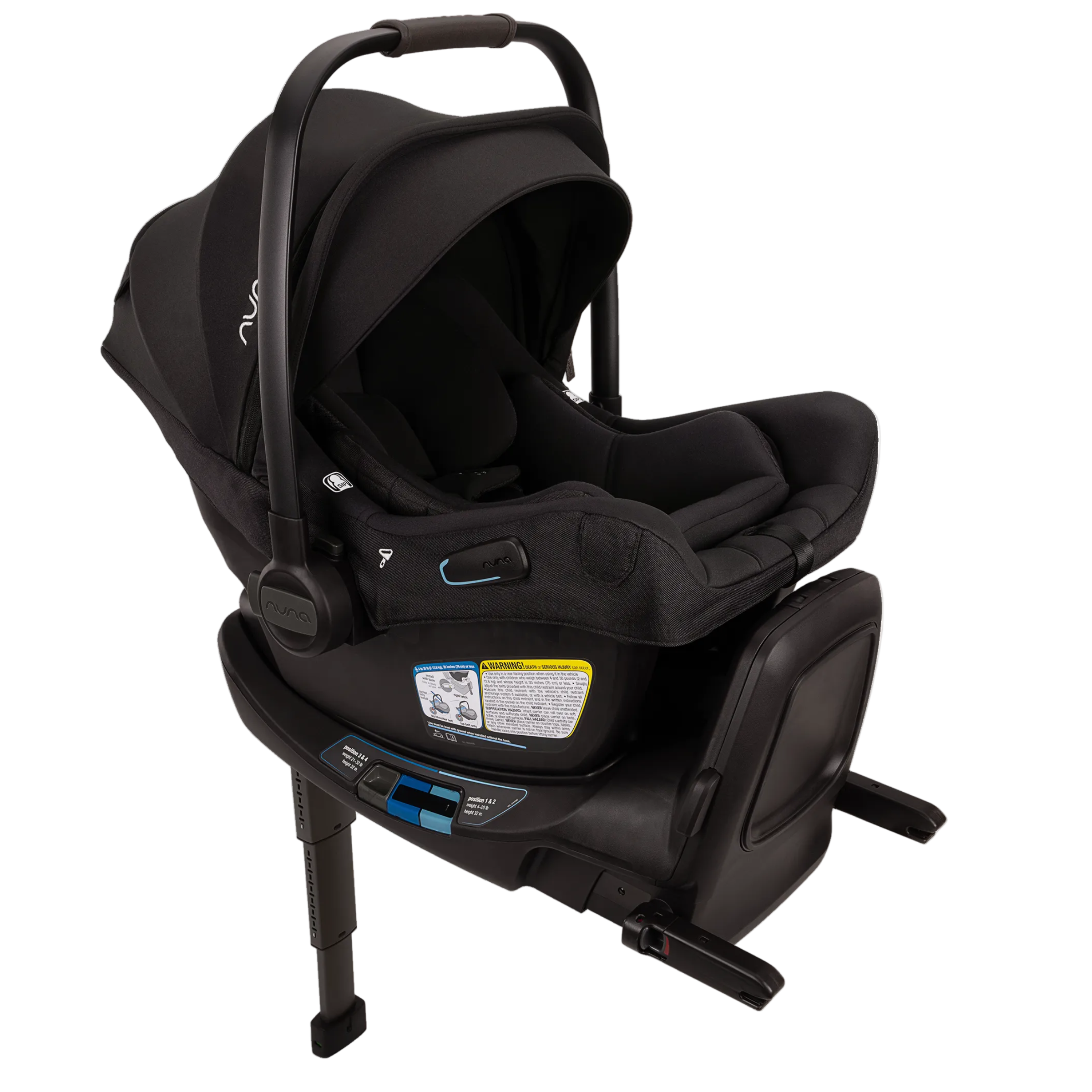
Recline and tightness were the two things NHTSA's inspectors flagged most on rear-facing and forward-facing seats. Several infant seats and bases we carry add indicators for exactly those. They make a problem easier to see; the 1-inch test at the belt path still applies.
| Tightness or connection indicator | Level or recline help | Seat belt lock-off on the base | Seat with base | Extra base for a second car | |
|---|---|---|---|---|---|
| UPPAbaby Mesa V3 | Red-to-green tightness indicator | Four-position adjustable foot | Yes, built in | $349.99 | $199.99 |
| UPPAbaby Aria V2 | SmartSecure visual indicators | Dual bubble level indicators, four-position foot | Yes, built in | $449.99 | $229.99 |
| Maxi-Cosi Peri 180 | TensionFix red-to-green belt tension indicator | 5 recline positions | Not stated on our listing | $499.99 | $229.99 |
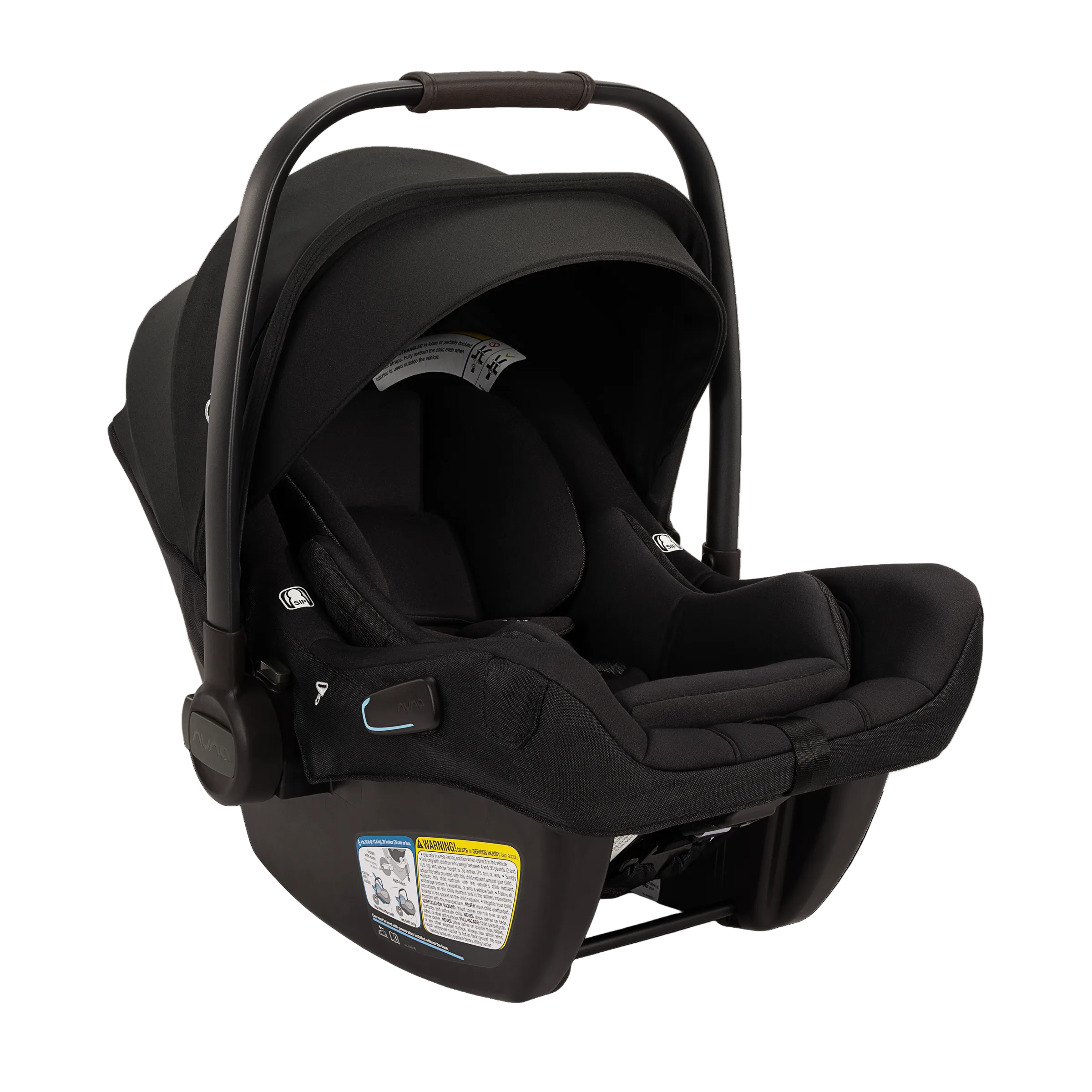
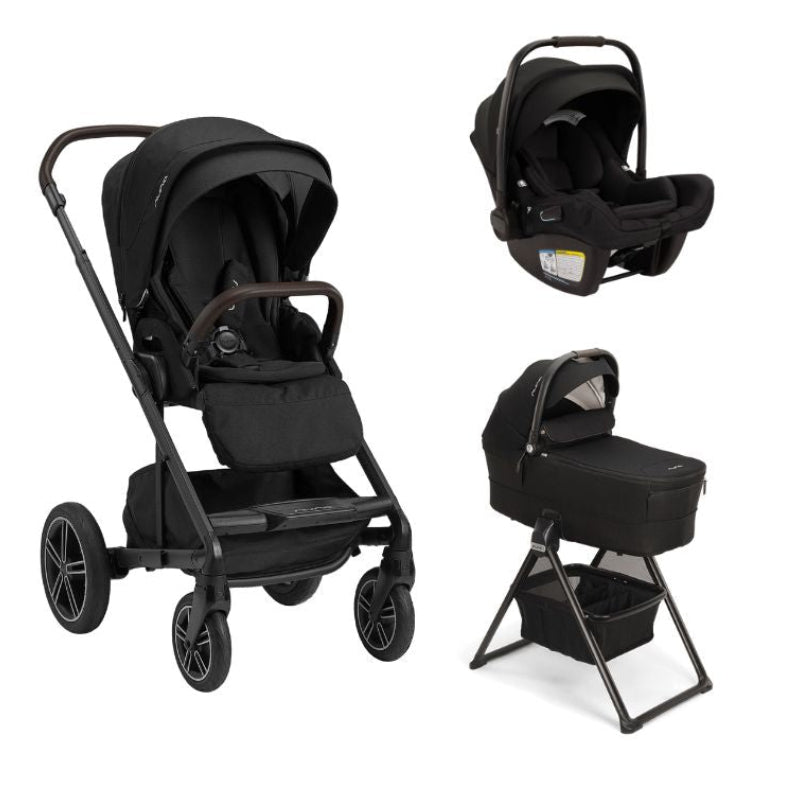
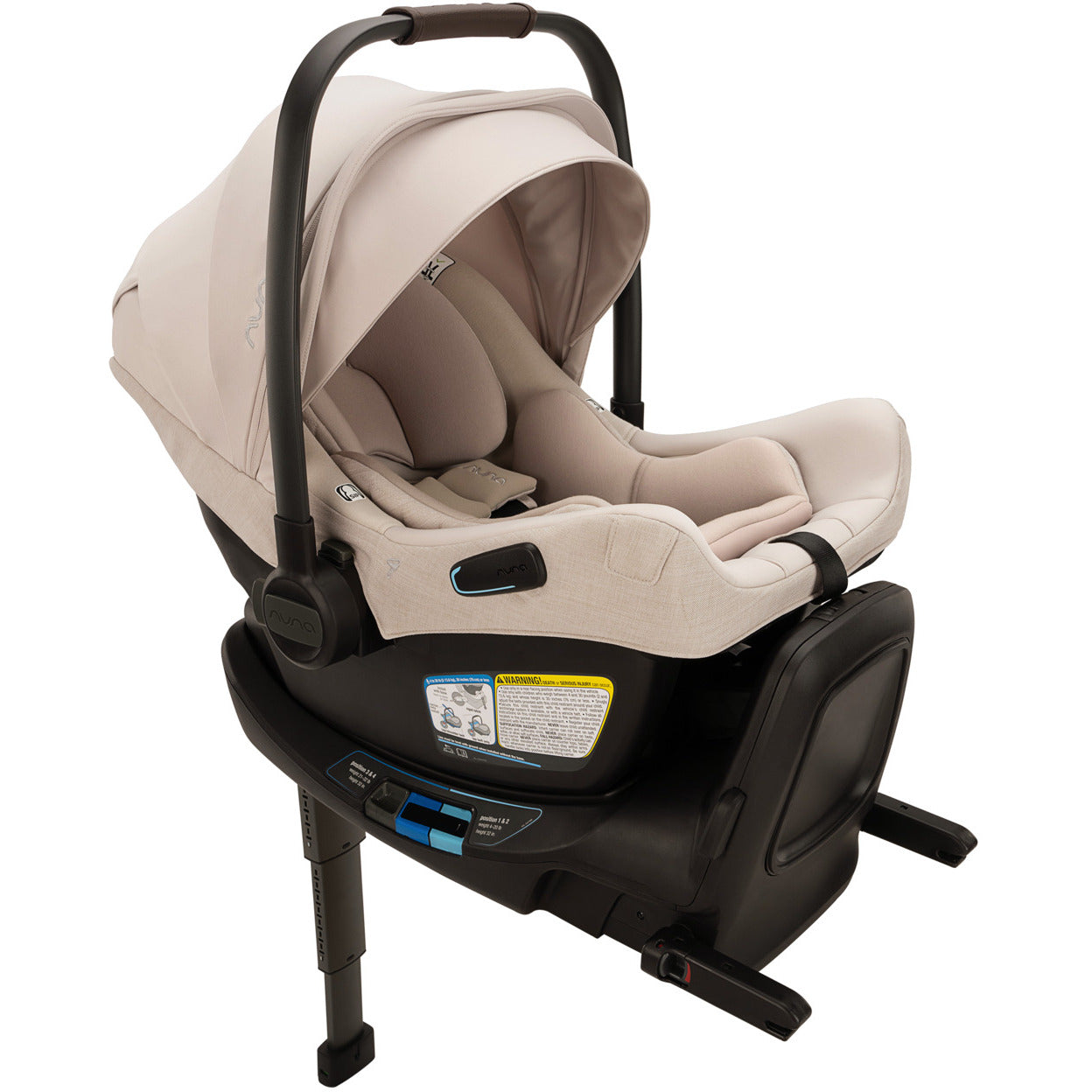
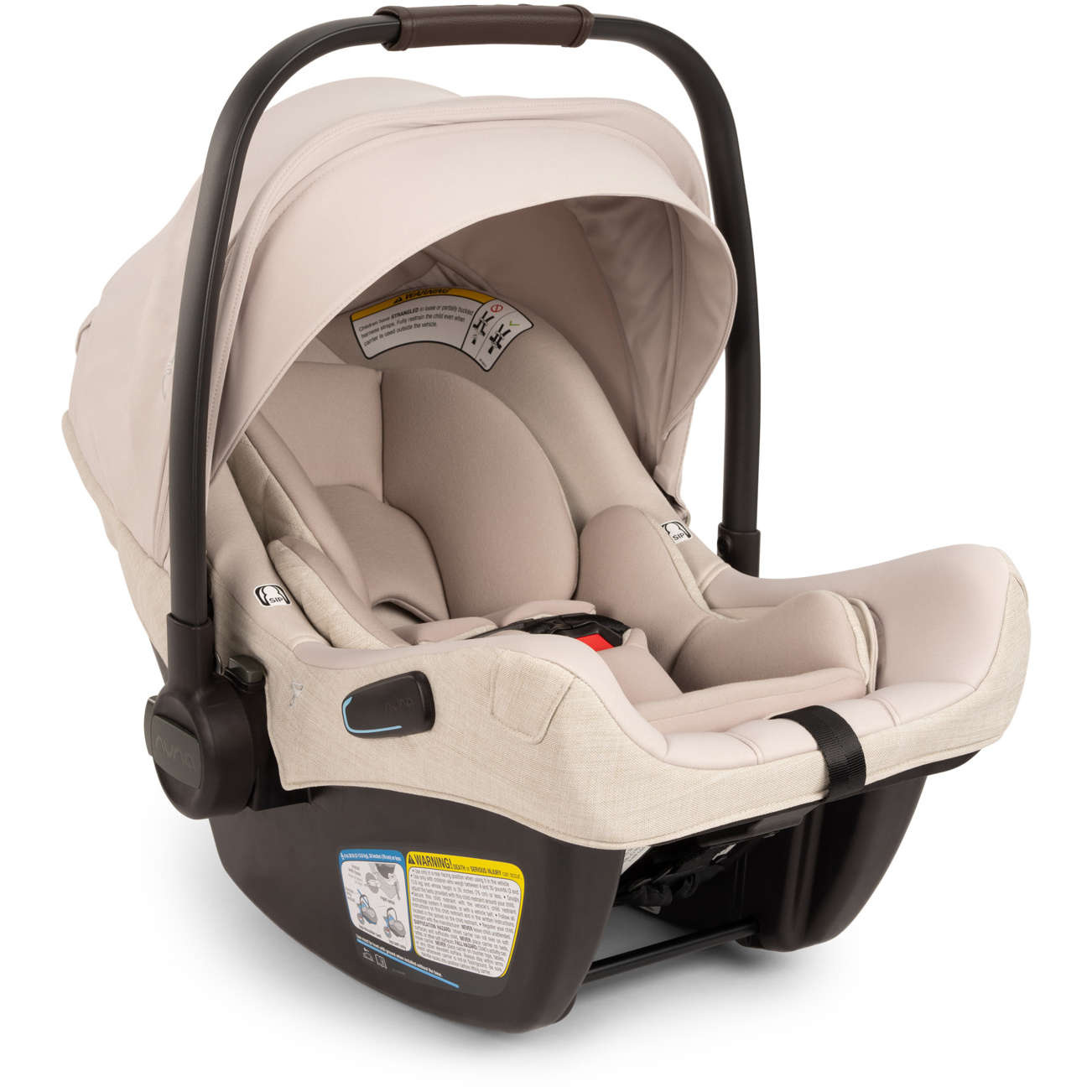
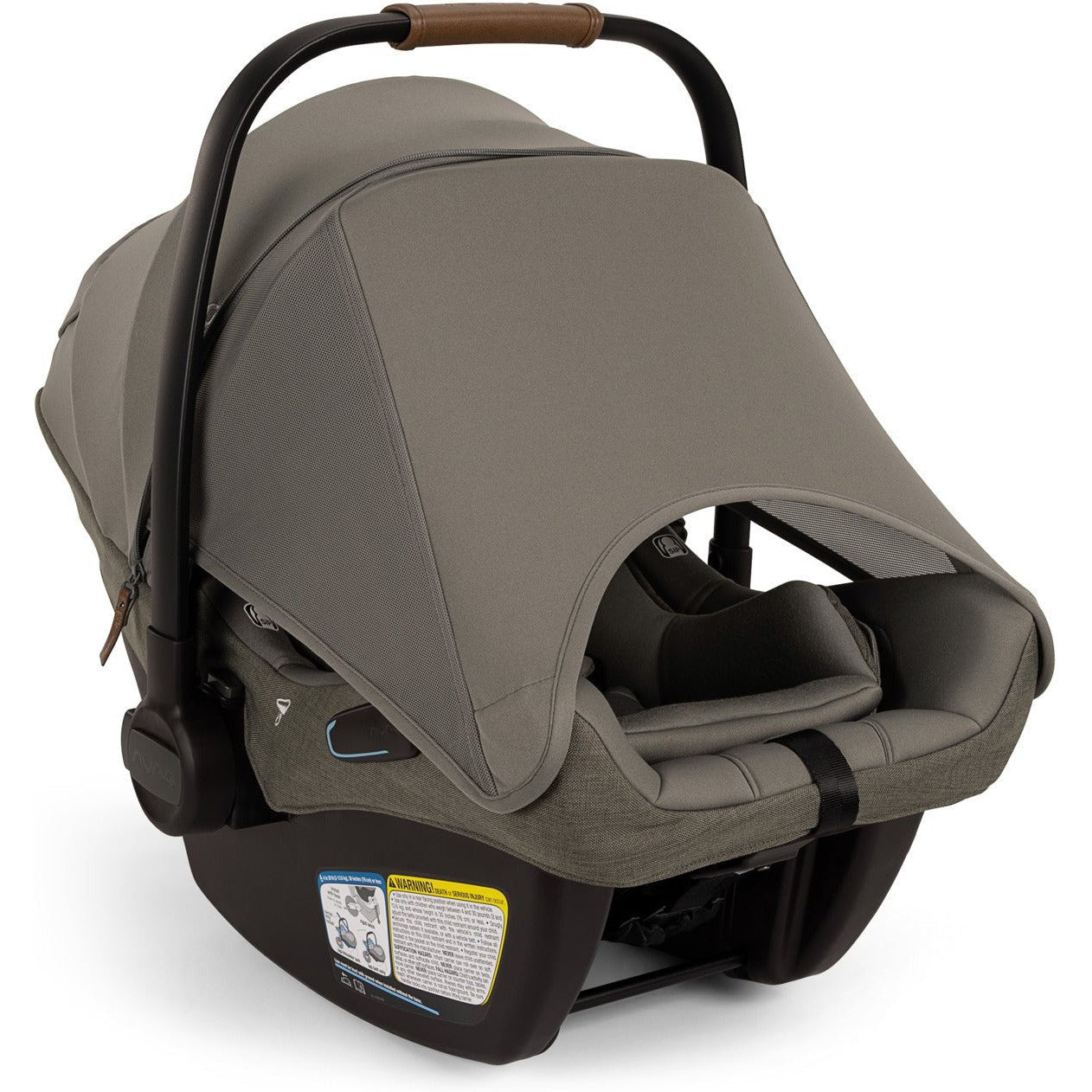
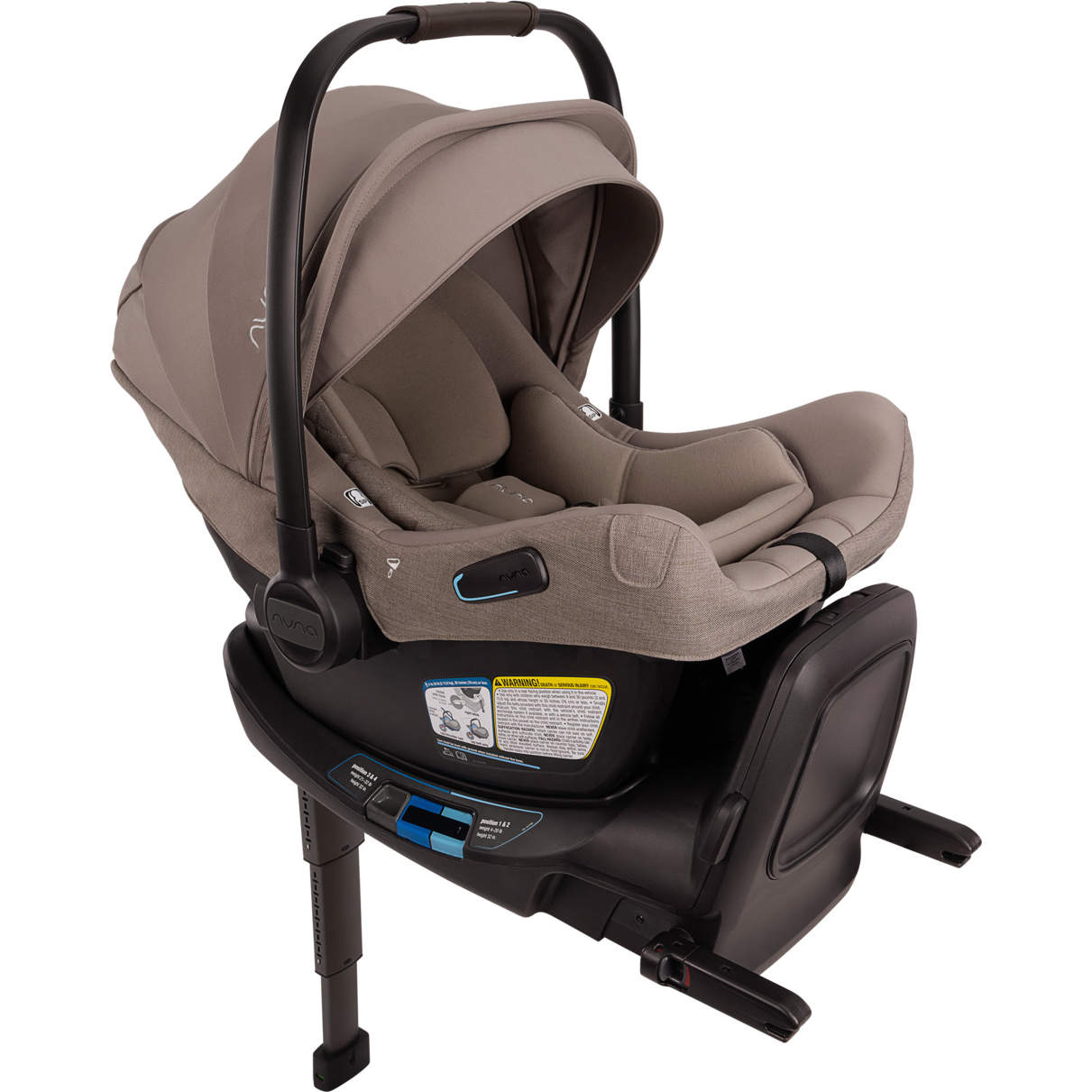
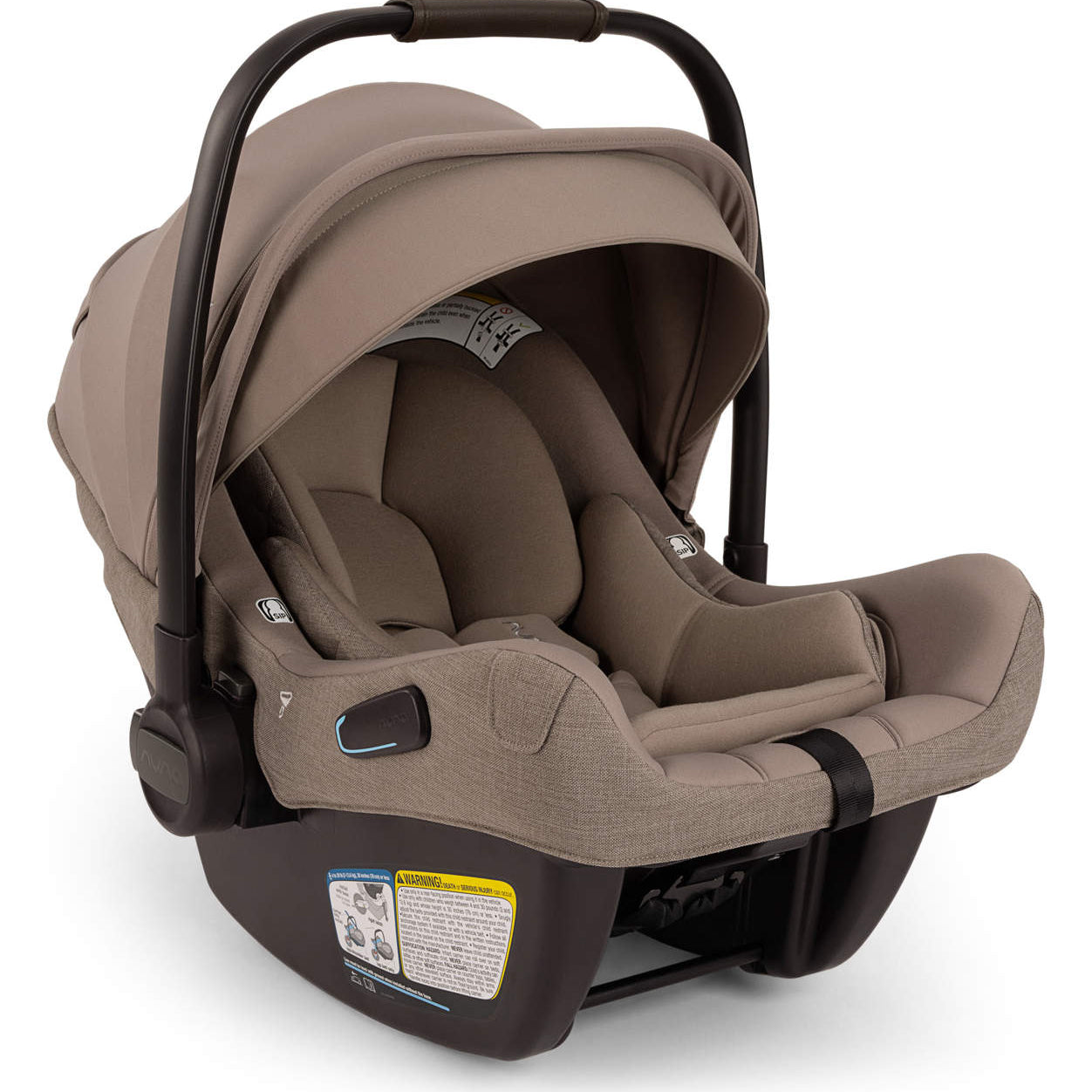
| Nuna PIPA RX on the RELX base | Colored installation indicators confirm connections | 4 recline positions | Yes, open belt path with lock-off | $550 | $250 |
| Nuna PIPA Aire on the PIPA series base | Colored installation indicators confirm connections | Bubble level indicators | Not stated on our listing | $440 | $200 |
Prices update automatically from our store. Features: each maker, as listed on our product pages. "Not stated" means our listing does not mention it, not that the base lacks one; check the manual.
With a base installed in each car, you install each one once instead of reinstalling at every switch. Run the 1-inch test on each base, and repeat it from time to time.
Who each of these seats is not for
- Mesa V3, not for: a parent who wants the lightest carrier to lift. UPPAbaby lists it at 9.9 lb without canopy and insert; the Aria V2 is 6 lb.
- Aria V2, not for: keeping a tall baby in the infant seat as long as possible. Its listing stops at 30 inches, where the Mesa V3 goes to 32 inches, and it costs $100 more.
- Peri 180, not for: the cheapest route to a red-to-green indicator. It costs $150 more than the Mesa V3, which has its own red-to-green tightness indicator. The reason to buy it is the rotating seat.
- PIPA RX, not for: carrying one base between cars. Nuna lists the RELX base at 16.8 lb, so a second base is the easier route.
- PIPA Aire, not for: a parent set on the RELX base's anti-rebound panel and telescoping stability leg. The PIPA series base listing names a steel stability leg but neither of those.
- REVV Maxx, not for: staying on lower anchors the longest. Its lower-anchor limits (30 lb rear-facing, 35 lb forward-facing) are the lowest of the three convertibles, so the switch to a seat belt install comes sooner.
Have your install inspected
For a second set of eyes, NHTSA lists car seat inspection stations where certified technicians check your seat and show you how to install and use it, and some locations offer virtual inspections (find an inspection station through NHTSA). NHTSA also asks you to register your seat with its maker so you hear about recalls. For seats in a specific vehicle, see our fit guides by vehicle.
Car seat install questions
How do I know if my car seat is installed correctly?
Pull at the belt path: NHTSA says the seat should not move more than 1 inch side to side or front to back. Then confirm a rear-facing seat's recline indicator reads in range, the harness passes the pinch test, the chest clip is at armpit level, and you used the lower anchors or the seat belt, not both. Forward-facing seats also need the top tether where permitted.
How tight should a car seat be?
Tight enough that it moves no more than 1 inch side to side or front to back when you pull at the belt path, which is NHTSA's test. Check at the belt path, not at the top of the seat.
Where do the harness straps and chest clip go?
Per NHTSA, rear-facing straps go through the slots at your child's shoulders or lower, and forward-facing straps at the shoulders or higher. The chest clip sits at armpit level, and the harness is snug when you cannot pinch extra material at the shoulder.
Can I use the lower anchors and the seat belt together?
No. NHTSA says to install every car seat with either the lower anchors or the seat belt, never both. Your seat's manual says which to use in each mode.
When should I stop using the lower anchors?
When your child reaches the lower-anchor limit on the seat's label and in your vehicle owner's manual, whichever is lower. If no limit is given, NHTSA's formula is 65 lb minus the seat's weight. After that, reinstall with the vehicle seat belt, and keep using the top tether if the seat faces forward.
Does a car seat need replacing after a minor crash?
Not according to NHTSA, provided all five of its conditions apply: the car could be driven away, the door nearest the seat was not damaged, no one was injured, no air bags deployed, and the seat has no visible damage. After a moderate or severe crash, replace it. Your seat maker's policy applies too.
Can my baby wear a winter coat in the car seat?
Not under the harness. NHTSA says bulky clothing can keep the harness from fitting snugly, so buckle and tighten first, then put the coat or a blanket over the harness.
Can I return a car seat?
Our refund and return policy and shipping information pages have the current terms.
Shopping for your next seat?
Shop Car SeatsStill comparing seats for your child? Find your best car seat, or browse infant car seats and convertible car seats.
Educational information only. This guide is for general education. It is not professional, medical, legal, or safety advice, and it does not create any advisory or professional relationship between you and SugarBabies. You are responsible for the safe selection, installation, and use of any car seat.
How a car seat fits and installs depends on your exact vehicle (its model year, trim, and seating configuration) and your exact car seat model. The instructions that came with your car seat and your vehicle owner’s manual always control. If anything in this article ever conflicts with those instructions, or with current guidance from the National Highway Traffic Safety Administration (NHTSA), follow the manufacturer instructions, your vehicle manual, and NHTSA, not this article.
Our information is compiled from manufacturer specifications, product manuals, and NHTSA guidance that we believe to be reliable, and we provide all of it “as is.” Specifications, model years, and vehicle configurations change, and we do not guarantee the accuracy, completeness, or current status of any of it.
To the fullest extent permitted by applicable law, we disclaim all warranties, express or implied, including the implied warranties of merchantability and fitness for a particular purpose, and SugarBabies and its owners, employees, and affiliates are not liable for any direct, indirect, incidental, or consequential injury, loss, or damage arising from the use of or reliance on this article. Nothing in this disclaimer limits any liability that cannot be limited under Washington law. Some products we mention or link to are sold by SugarBabies, and we may earn money when you buy them.